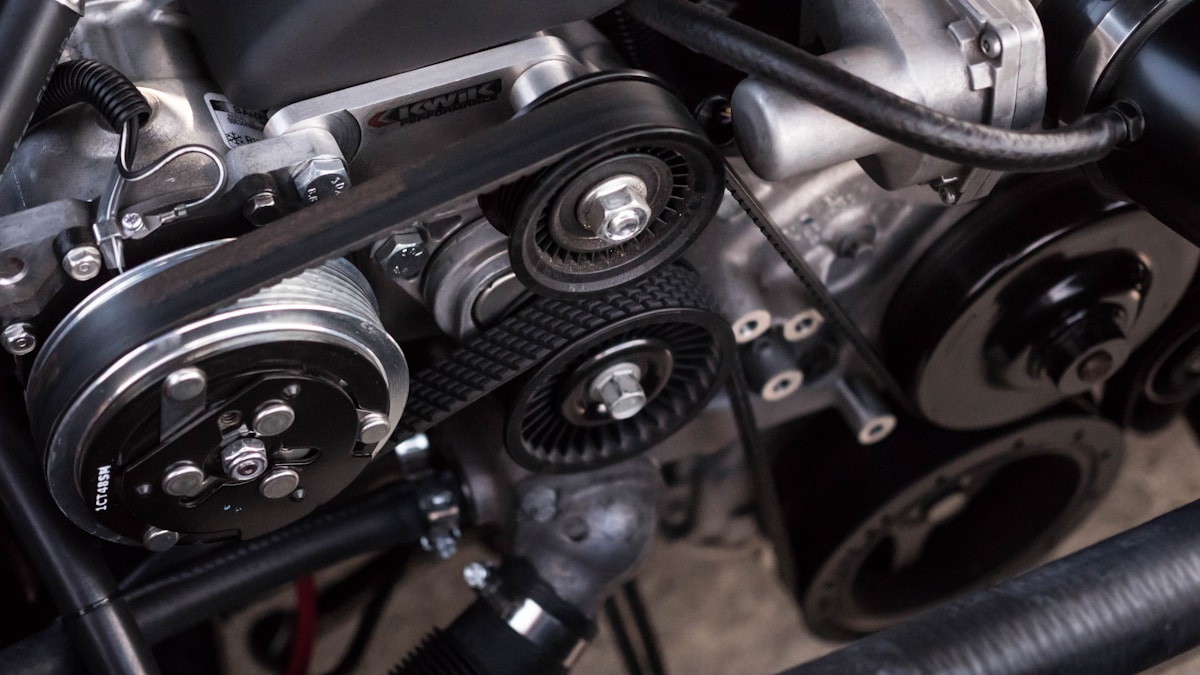
Living in Houston and building high-performance cars presents a unique challenge that our friends in cooler climates don't face: brutal, unrelenting heat. When it's 98 degrees with 80% humidity in July and you're sitting in traffic on I-10 with a 700-horsepower turbocharged engine under the hood, cooling systems that work fine in Michigan or California simply aren't adequate here.
At Raw Exotics, every performance build we complete includes serious consideration of cooling. I've seen too many cars—built correctly with quality parts and proper tuning—suffer heat-related issues simply because the cooling system wasn't upgraded to handle both the increased power output and our Texas climate. In this comprehensive guide, I'll cover everything you need to know about keeping your performance car cool in Houston's brutal heat.
Understanding the Houston Heat Challenge
Why Houston is Different
Houston presents a perfect storm of cooling challenges:
- Extreme ambient temperatures: 95-100°F+ for months during summer
- High humidity: 70-90% humidity reduces cooling efficiency
- Dense traffic: Extended low-speed driving reduces airflow
- Sea level elevation: Higher air density means engines work harder and produce more heat
- Long distances: Houston's sprawl means extended highway driving under full load
A stock cooling system is engineered for average conditions with safety margin. Performance modifications increase heat production beyond what stock cooling can handle. Add in Houston's climate, and you have a recipe for overheating, heat soak, and reduced performance.
Types of Heat in Performance Cars
Combustion heat: The primary heat source—fuel burning in cylinders creates temperatures exceeding 2,000°F. More power means more fuel burned, which means more heat.
Friction heat: Engine components rubbing together generate heat absorbed by engine oil. Higher RPM and power increase friction and heat.
Compression heat: On forced induction engines, compressing air generates significant heat. A turbocharger can heat intake air to 300-400°F or higher before the intercooler.
Transmission heat: Automatic transmissions generate substantial heat, especially under hard acceleration or towing. This heat must be dissipated or it destroys transmission fluid and clutch packs.
Differential heat: The differential and gear oil also heat up under load, particularly in high-horsepower applications.
Engine Cooling: Radiators and Water Systems
How Engine Cooling Works
The cooling system circulates coolant through the engine block and cylinder heads to absorb heat, then routes that hot coolant to the radiator where air flowing through the radiator core transfers heat to the atmosphere. The cooled coolant returns to the engine and repeats the cycle.
When heat production exceeds the system's ability to dissipate it, coolant temperatures rise. Above 220-230°F, you risk overheating, boiling coolant, blown head gaskets, and engine damage.
Upgrading Your Radiator
Why factory radiators aren't enough: OEM radiators are sized for stock power levels and average conditions. A car making 50% more power generates roughly 50% more heat. In Houston's climate, factory radiators often struggle even at stock power levels.
Aluminum performance radiators: Aftermarket aluminum radiators typically offer:
- Thicker cores (2-3 rows vs factory 1-2 rows)
- More efficient tube and fin designs
- Better coolant flow characteristics
- Higher quality construction and materials
Reputable manufacturers include Mishimoto, CSF, Koyo, and Griffin. For serious builds, we often use custom radiators from companies like Ron Davis or C&R Racing.
Size matters: Bigger is generally better, but ensure adequate airflow. A massive radiator that blocks all airflow to the intercooler (on turbo cars) creates new problems. Work with someone experienced to ensure proper sizing and placement.
Water Pumps and Flow Rate
Coolant flow rate matters. The factory water pump is adequate for stock power, but high-flow water pumps from companies like Stewart or Meziere can increase flow by 20-40%, improving heat transfer.
For extreme applications, electric water pumps provide maximum flow and allow you to control pump speed based on conditions. They also free up horsepower (a mechanical pump driven by the engine consumes 5-10 hp).
Coolant Choice
Use quality coolant with proper antifreeze-to-water ratio. For Houston (no freezing concerns), a 50/50 mix of ethylene glycol antifreeze and distilled water is ideal. The antifreeze raises boiling point and provides corrosion protection.
Some racers use 100% water with Water Wetter additive for maximum cooling efficiency, but this provides no corrosion protection or boiling point elevation—fine for race cars, not for street cars.
Never use tap water—minerals cause corrosion and deposits. Always use distilled water.
Thermostats and Temperature Control
Lower-temperature thermostats (180°F vs stock 195-205°F) allow the engine to run cooler. However, don't go too cold—engines need to reach operating temperature for proper combustion efficiency, emissions control, and oil viscosity.
For Houston, I typically recommend 180-185°F thermostats for performance applications. This provides better cooling margin without running too cold.
Electric Fans vs Mechanical Fans
High-flow electric fans often cool better than mechanical belt-driven fans and only run when needed (saving power and reducing heat when cruising). Dual electric fans from companies like SPAL, Mishimoto, or Delta provide excellent airflow.
Size fans appropriately—the fan(s) should cover at least 70% of the radiator core area for maximum efficiency.
Intercoolers: Critical for Forced Induction
Why Intercoolers Matter
Turbochargers and superchargers compress air, which generates heat. That compressed, heated air enters the engine where it reduces power and increases knock tendency. An intercooler cools the compressed air before it enters the engine, improving power, efficiency, and reliability.
In Houston's heat, intercooler efficiency is absolutely critical. A marginal intercooler that works fine in Colorado will heat soak in Houston traffic, causing power loss and potential detonation.
Types of Intercoolers
Air-to-air intercoolers: These use ambient air flowing through the intercooler core to cool the charged air. They're simple, reliable, and effective. However, efficiency drops as ambient temps rise—a significant concern in Houston.
Advantages:
- Simple design with no additional pumps or complexity
- Lightweight
- No heat soak from repeated runs (as long as there's airflow)
Disadvantages:
- Efficiency tied to ambient temperature
- Require significant frontal area for effective cooling
- Less effective in stop-and-go traffic with no airflow
Air-to-water intercoolers: These use a separate coolant circuit with a heat exchanger to cool charged air. A dedicated radiator (usually front-mounted) cools the intercooler coolant.
Advantages:
- More compact than air-to-air for tight engine bays
- Can use ice water for drag racing (extremely effective short-term cooling)
- Better transient response
Disadvantages:
- More complex with pumps, lines, and separate heat exchanger
- Potential heat soak on extended pulls as coolant saturates
- Additional weight from water, pump, and components
Intercooler Sizing
Bigger intercoolers cool better but can increase pressure drop (turbo lag) and take up valuable space. Work with your tuner or a knowledgeable shop to size appropriately.
For Houston, I generally recommend going slightly larger than manufacturer recommendations. The additional cooling capacity is worth minor pressure drop increases.
Real-World Intercooler Performance
Monitor intercooler outlet temperature (charge air temp). In ideal conditions with a good intercooler, you might see 20-30°F above ambient. In Houston summer heat with an inadequate intercooler, I've seen charge air temps exceed 150°F—that's unacceptably hot and will cause power loss and knock.
Target: Keep charge air temps under 100-110°F at full boost for optimal power and safety.
Intercooler Sprayers
Intercooler water/methanol spray systems inject a fine mist onto the intercooler core, using evaporative cooling to dramatically reduce temperatures. These are highly effective for drag racing or occasional hard use but consume water quickly and aren't practical for extended driving.
Oil Cooling: Protecting Your Engine's Lifeblood
Why Oil Temperature Matters
Engine oil lubricates, cools, and protects internal components. As oil temperature increases, viscosity drops (oil gets thinner), reducing its protective properties. Extremely hot oil (over 280°F) breaks down, loses its lubricating properties, and can cause catastrophic bearing failure.
High-performance engines generate more heat, and Houston's climate makes oil cooling even more critical. I've seen stock oil cooling systems struggle to keep temps under 240°F in Houston summer traffic—add performance modifications and you're asking for trouble.
Oil Coolers
An engine oil cooler routes oil through an external heat exchanger (similar to a radiator) before returning to the engine. This dramatically improves oil temperature control.
Types of oil coolers:
Plate-and-fin coolers: The most common type—similar construction to intercoolers and radiators. Available in various sizes, efficient, and relatively affordable.
Tube-and-fin coolers: More traditional design, very durable, good for high-oil-pressure applications.
Stacked-plate coolers: Extremely efficient, often used in racing. Expensive but offer maximum cooling in minimal space.
Oil Cooler Sizing and Placement
Oil coolers should be sized appropriately for your power level and usage. For street cars making 500-700 hp, a 19-25 row oil cooler is typically adequate. More power or track use requires larger coolers.
Placement is critical—the cooler needs good airflow but shouldn't block airflow to the radiator or intercooler. Common mounting locations include front bumper areas, wheel wells (with ducting), or hood vents.
Thermostatic Oil Cooler Sandwich Plates
These adapter plates include a thermostat that only routes oil through the cooler once it reaches operating temperature (typically 180-190°F). This prevents overcooling in winter and ensures proper warm-up.
In Houston, overcooling is rarely an issue, but thermostatic plates still provide peace of mind and proper engine operation in all conditions.
Oil Capacity and Oil Pans
Increasing oil capacity helps manage heat—more oil means more heat capacity and longer time before saturation. Upgraded oil pans with increased capacity (additional 1-2 quarts) help, as do dry sump systems on serious race cars.
Oil Type for Hot Climates
Use quality synthetic oil with appropriate viscosity for high temperatures. For Houston performance applications, I typically recommend:
- Street cars: 5W-30 or 5W-40 synthetic
- High-performance street/track: 10W-40 or 15W-50 synthetic
- Dedicated race cars: 15W-50 or 20W-50 racing oil
Brands like Mobil 1, Pennzoil Ultra Platinum, Amsoil, Royal Purple, and Redline all offer excellent options.
Transmission and Differential Cooling
Automatic Transmission Coolers
Automatic transmissions generate significant heat, especially under hard acceleration or high power. Factory transmission coolers (often integrated into the radiator) are marginal for stock applications and completely inadequate for high-performance use.
An aftermarket transmission cooler is mandatory for any high-horsepower automatic transmission in Houston. Size it appropriately—larger is better within reason. Plate-and-fin coolers from B&M, Earl's, or Derale work excellently.
Target transmission temps under 200°F during hard driving. Above 220°F, transmission fluid breaks down rapidly, and clutch pack damage occurs.
Transmission Fluid
Use high-quality synthetic ATF rated for high temperatures. Change it more frequently in performance applications—every 30,000 miles or annually for cars seeing hard use.
Differential Cooling
High-power cars can benefit from differential cooling as well, particularly for road racing or repeated drag launches. Aftermarket differential covers with integrated cooling fins or provisions for cooler lines help manage heat.
Synthetic gear oil with proper viscosity rating handles heat better than conventional oils.
Heat Management Strategies
Hood Venting and Air Management
Heat rises. Allowing hot air to escape from the engine bay improves overall cooling and reduces underhood temperatures. Hood vents, hood louvers, or functional hood scoops aid heat extraction.
Be strategic—place vents over the hottest areas (typically above the exhaust manifolds or turbo). Ensure they're functional, not just cosmetic.
Heat Shielding
Heat shields prevent radiant heat from exhaust components reaching sensitive areas. Wrap or shield:
- Turbochargers and exhaust manifolds
- Intake piping near hot exhaust
- Fuel lines and wiring near heat sources
- Starter motors on engines with headers
Products like DEI heat sleeves, titanium heat wrap, and reflective heat barriers are highly effective.
Air Flow and Ducting
Getting fresh air to coolers and extracting hot air from the engine bay is critical. Use ducting to route cold air from the front grille directly to radiators, intercoolers, and brake ducts. Seal gaps to prevent air from bypassing coolers.
Heat Soak Prevention
After hard driving, heat soaks into components with no airflow. Allow cool-down periods—let the car idle for a minute after track laps before shutting down, or drive gently for the last few minutes before parking. This allows coolant, oil, and air to continue circulating and prevents localized overheating.
Monitoring and Data Logging
You can't manage what you don't measure. Install quality gauges or use ECU datalogging to monitor:
- Coolant temperature: Critical engine parameter
- Oil temperature and pressure: Indicates lubrication system health
- Transmission temperature: Critical for automatic transmission longevity
- Intake air temperature: For forced induction—monitors intercooler effectiveness
- Charge air temperature: Pre and post-intercooler temps reveal cooling efficiency
Digital gauge systems from AEM, PLX, or Innovate allow monitoring multiple parameters simultaneously.
Real-World Houston Cooling Solutions
Case Study: Supercharged Coyote Mustang
Customer brought us a 2016 Mustang GT with a Whipple supercharger making 650 wheel horsepower. In Houston summer traffic, he was seeing 230°F coolant temps and 260°F oil temps—dangerously hot.
Our solution:
- Mishimoto aluminum 3-row radiator
- Dual SPAL electric fans with upgraded fan controller
- 25-row engine oil cooler with thermostatic sandwich plate
- Larger intercooler (upgraded from Whipple's standard unit)
- Hood louvers over the supercharger for heat extraction
Result: Coolant temps now stay under 200°F even in traffic, oil temps stay under 230°F during hard driving, and charge air temps dropped from 140°F to under 100°F. The car is now completely reliable in Houston's heat.
Case Study: Twin-Turbo LS Camaro
Custom twin-turbo LS build making 850 wheel horsepower was experiencing heat soak issues on the street despite proper tuning.
Our solution:
- Custom aluminum radiator with dual fans
- Air-to-air intercooler upgraded to larger front-mount unit
- 30-row oil cooler mounted in bumper with dedicated ducting
- Transmission cooler with dedicated electric fan
- Insulated all intake piping and shielded from exhaust heat
- Installed hood vents and sealed radiator to prevent air bypass
Result: Car maintains safe temperatures even during extended highway pulls and can run back-to-back drag passes without heat soak.
Houston-Specific Recommendations by Vehicle Type
Stock or Mildly Modified Street Cars (under 450 hp)
- Quality aluminum radiator upgrade
- 180°F thermostat
- High-flow electric fans
- Regular cooling system maintenance
Modified Street Cars (450-650 hp)
- Performance radiator with increased capacity
- Engine oil cooler (15-25 row)
- For forced induction: upgraded intercooler
- For automatics: transmission cooler
- Hood venting or louvers
High-Performance Street/Strip (650-900 hp)
- High-capacity custom or racing radiator
- Large engine oil cooler (25-30+ row)
- Maximum-efficiency intercooler
- Transmission cooler with dedicated fan
- Heat management (shielding, ducting, venting)
- Comprehensive temperature monitoring
Race Cars (900+ hp)
- Custom radiator specifically designed for application
- Dry sump oil system or high-capacity wet sump with large cooler
- Maximum intercooler capacity for power level
- Aggressive heat extraction and airflow management
- Methanol injection for charge cooling (if applicable)
Maintenance for Cooling Systems
Even the best cooling upgrades require maintenance:
- Flush coolant every 2-3 years: Prevents corrosion and deposits
- Inspect hoses and clamps annually: Replace any that show wear
- Clean radiator and intercooler fins: Bugs and debris reduce efficiency
- Change oil regularly: Degraded oil loses cooling capacity
- Check fan operation: Ensure electric fans engage properly
- Monitor for leaks: Address any coolant or oil leaks immediately
Conclusion
Houston's heat is real, and it's relentless. Performance cars that would run perfectly in moderate climates need significant cooling upgrades to survive—let alone thrive—in our environment. The good news is that with proper cooling system upgrades, your high-performance car can be just as reliable in 100-degree Houston summer heat as a stock car in 70-degree weather.
Don't wait for overheating issues to appear. If you're building a performance engine or adding significant power, plan cooling upgrades from the beginning. The cost of proper cooling—typically $1,500-$4,000 depending on the application—is trivial compared to the cost of a destroyed engine, blown head gaskets, or a failed transmission.
At Raw Exotics here in Houston, we understand the heat challenges better than anyone. Every build that leaves our shop has cooling systems designed to handle both the power output and our brutal climate. If you're concerned about your car's cooling or planning upgrades, give us a call. We'll make sure your build stays cool even when Houston is anything but.